In 1949, Adi Dassler registered the Adidas trademark in a small German town called Herzogenaurach, after splitting from his own brother Rudolf, who founded Puma on the other side of the river. That family rivalry — so close that the town is still informally split between “Adidas people” and “Puma people” — is the unglamorous, uncomfortable origin of one of footwear's biggest rivalries.
The three stripes started as a technical fix: bands stitched onto the sides of the shoe to stabilize the foot. Over time they became sport's most recognizable graphic element, to the point that Adidas actively litigates to protect them from imitation. Few brands have a logo this simple and, at the same time, this fiercely defended.
“Adidas learned to operate at two speeds: performance for athletic output and Originals for fashion culture.”
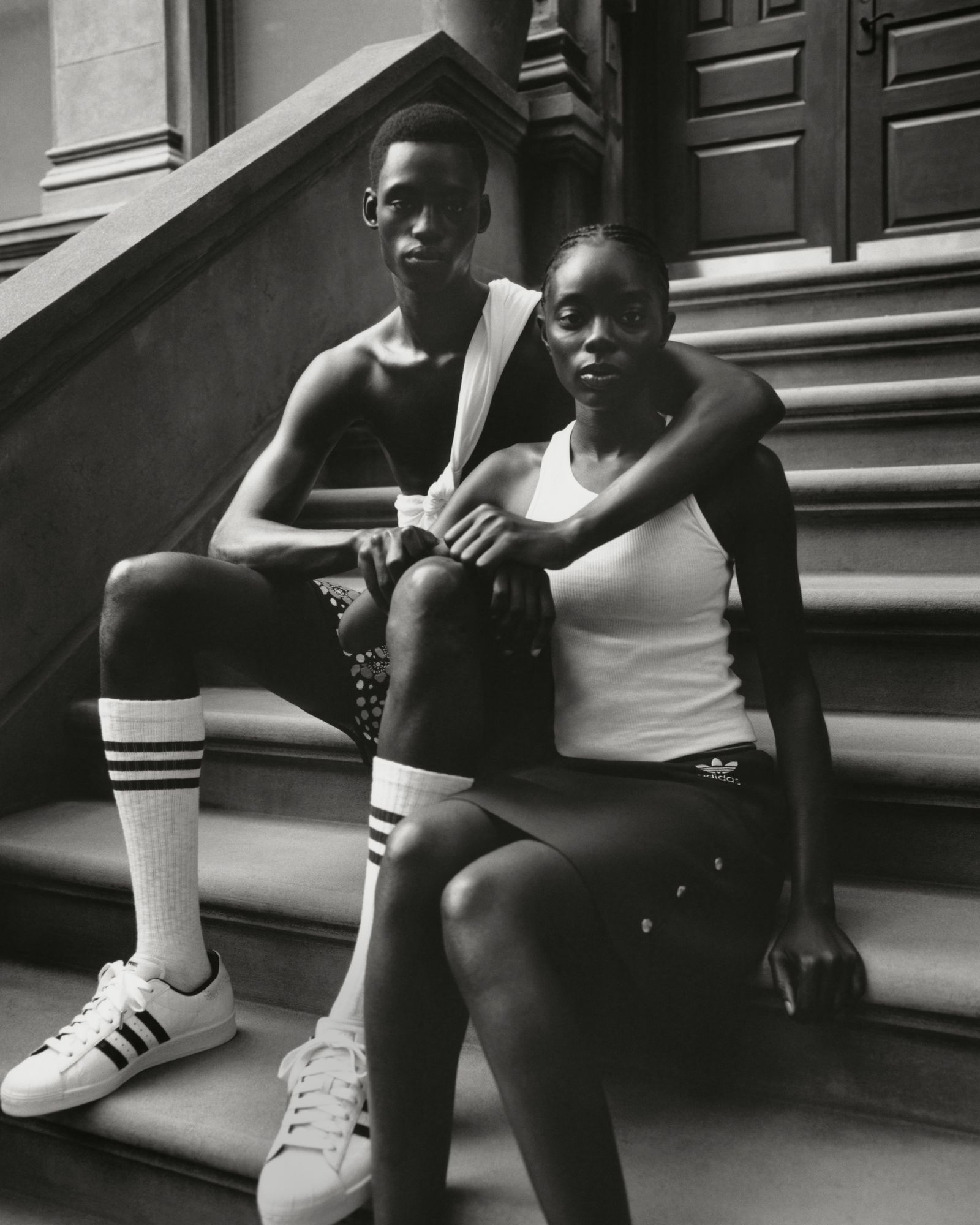
Adidas's leap from sports equipment to cultural icon didn't come from elite sport — it came from the street. In 1986, hip hop group Run-D.M.C. released “My Adidas,” a song entirely dedicated to their Superstars, which they wore without laces as visual code within New York's urban culture. Adidas, caught off guard by the phenomenon, ended up signing one of the first sponsorship deals with music artists in sports history.
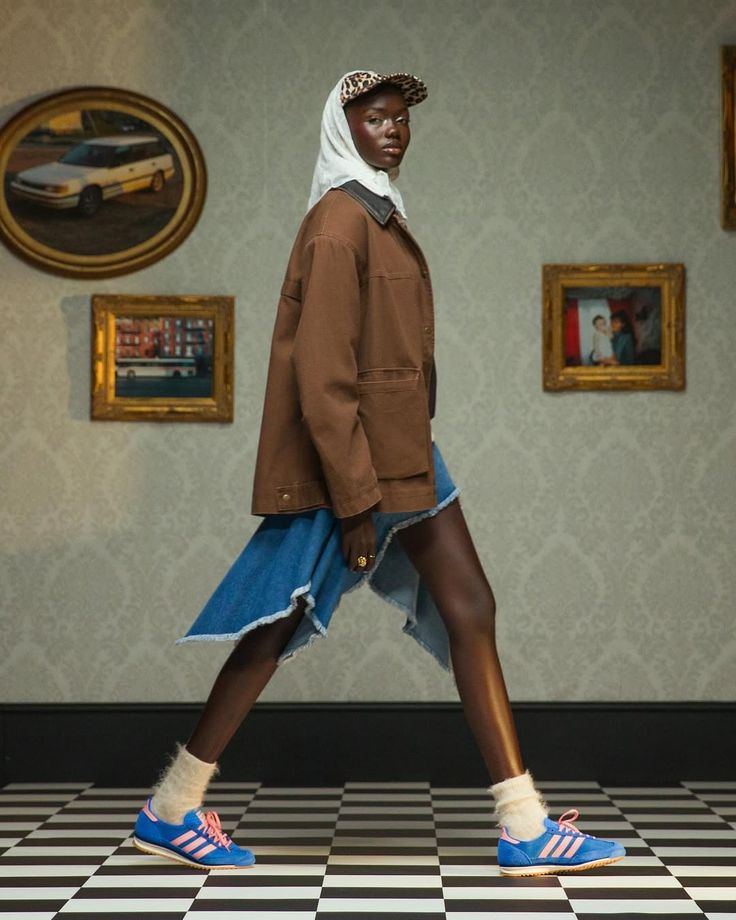
Since then, the brand has learned to operate at two speeds: Performance, built for real athletic output — football, running, basketball — and Originals, dedicated to digging up and re-releasing archive pieces for the fashion market. The Samba, a 1950s football boot, is now one of the best-selling shoes in global streetwear, thanks to a revival cycle the industry now studies as a case example.
Within Originals, several models now function almost like categories of their own. The Samba, designed in the 1950s as a football training boot for icy pitches, is probably the most talked-about footwear revival of recent years: it went from a niche shoe for football purists to appearing in nearly every fashion feed between 2022 and 2024. The Gazelle, narrower and finished in soft suede, occupied a similar space as the “quieter” alternative for anyone not ready to fully commit to Samba fever. The Stan Smith, named after the American tennis player in the 1970s, remains one of the most copied designs in footwear history: an all-white, unadorned shoe that proved minimalism could sell by the millions too.
At the other end sits the Ultraboost, introduced in 2013 as the first shoe to feature Boost technology — a cushioning foam developed with BASF that reset the standard for comfort in running shoes. In football, the Predator line, tied for years to players like David Beckham, marked a turning point in boot design aimed at improving ball control and swerve.
The end of the Yeezy partnership left a real gap in the high-profile sneaker segment, and Adidas has also weathered storms: the collapse of that partnership in 2022 cost hundreds of millions of dollars and forced it to rebuild its collaboration strategy from scratch. Its response was to diversify toward names like Gucci, Wales Bonner, and Bad Bunny, betting that no single partnership should ever be indispensable again.
Seventy-five years after that Bavarian workshop, the three stripes remain, arguably, sport's most democratic logo — as at home on a neighborhood pitch as on a luxury runway.