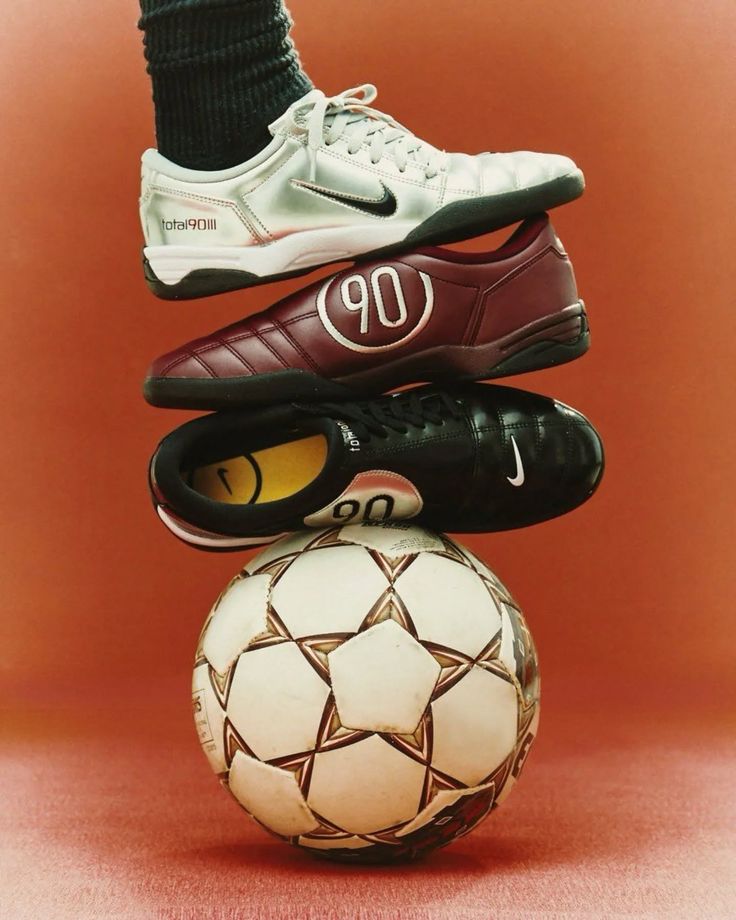
It started with a waffle iron. In the early 1970s, track coach Bill Bowerman poured melted rubber into his wife's waffle mold, chasing a lighter sole for his runners. The clumsy, brilliant result became the foundation of the Waffle Trainer — the first shoe to carry the Nike name. Years earlier, in 1964, Bowerman and his former athlete Phil Knight had founded Blue Ribbon Sports, selling Japanese running shoes out of the trunk of a car. The company that would become Nike was born, quite literally, from an obsession with making the body move faster with less effort.
The swoosh — that curved mark now worth more in brand equity than the GDP of many countries — cost 35 dollars. A graphic design student sketched it in 1971, and for years it didn't fully convince Knight either. Nike's history is full of these contrasts: cheap decisions that became icons, uncomfortable bets that became identity.
“Nike never just sold a shoe. It sold an attitude toward effort.”
That discomfort is part of its editorial DNA. Nike never just sold a shoe — it sold an attitude toward effort. “Just Do It,” the line Wieden+Kennedy proposed in 1988, wasn't about technical performance; it was about personal resolve. That was the leap from sportswear to culture.
The logic still holds, but the battlefield has shifted. Streetwear absorbed what used to be courtwear: the Air Jordan 1, designed for the NBA in 1985, is now one of the most sought-after pieces in urban fashion, reselling for many times its original price. Collaborations — with Off-White, Sacai, Travis Scott — function less as product drops and more as cultural events, complete with lines around the block and instant resale.
Several lines inside that universe function almost like brands of their own. The Air Max, launched in 1987 by designer Tinker Hatfield, was the first shoe to expose its air cushioning through the sole — a move that seemed risky at the time and turned out to be one of the most influential design decisions in sneaker history. Its most celebrated version, the original red-and-white Air Max 1, still gets re-released every anniversary and sells out within hours.
The Air Force 1, born in 1982 as the first basketball shoe to feature Nike Air, ended up somewhere the brand never planned: it became the definitive white sneaker of streetwear, with so many versions and collaborations that it now works almost like a blank canvas for other designers.
Meanwhile, the ACG line — All Conditions Gear — covers the opposite end of the catalog: technical clothing and footwear built for mountains and the outdoors, increasingly adopted by an urban audience looking for real functionality rather than an outdoorsy look. And the Dunk, originally a college basketball shoe from the 1980s, lived a meteoric second life between 2020 and 2021, becoming the most sought-after — and hardest to find — sneaker on the resale market.
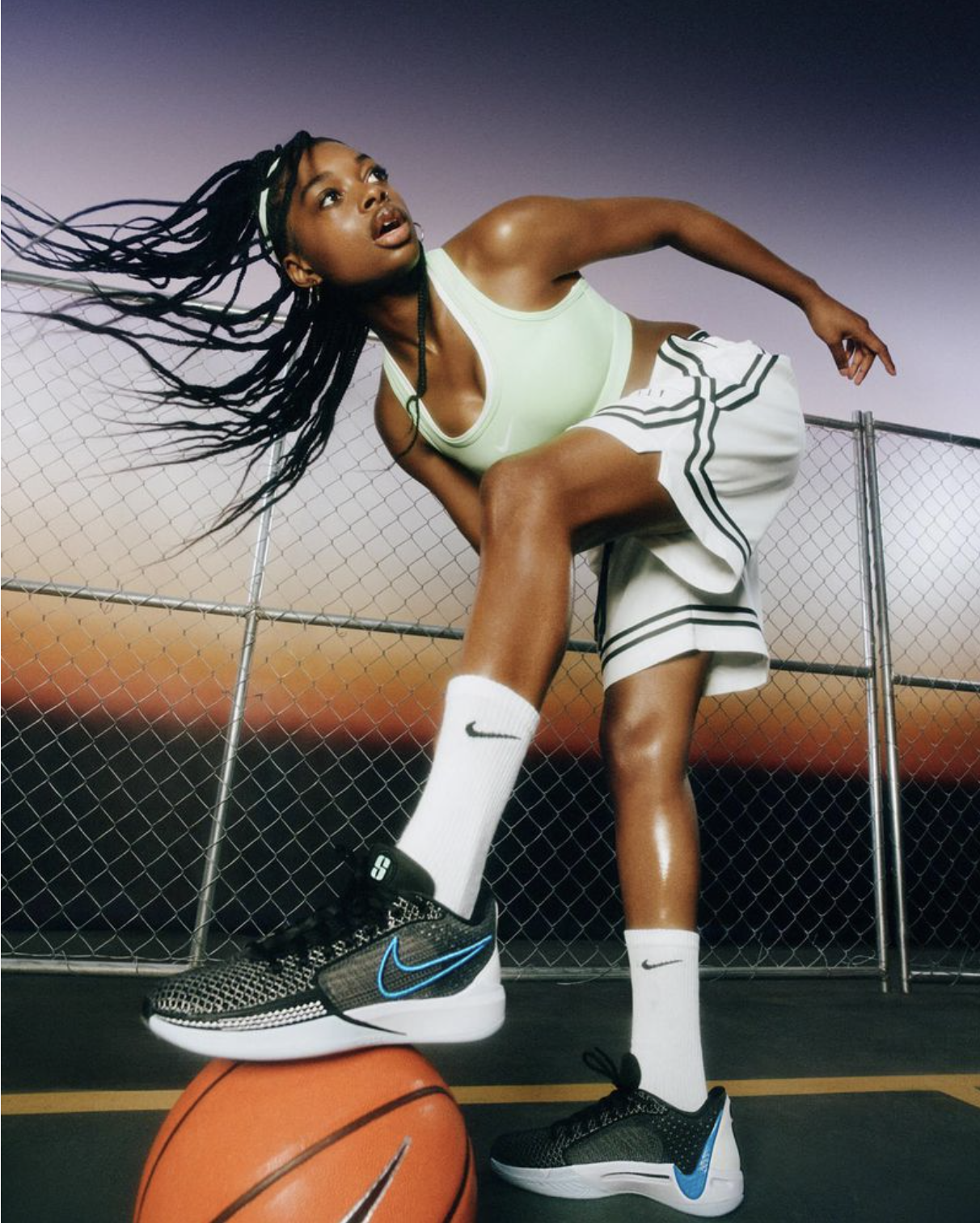
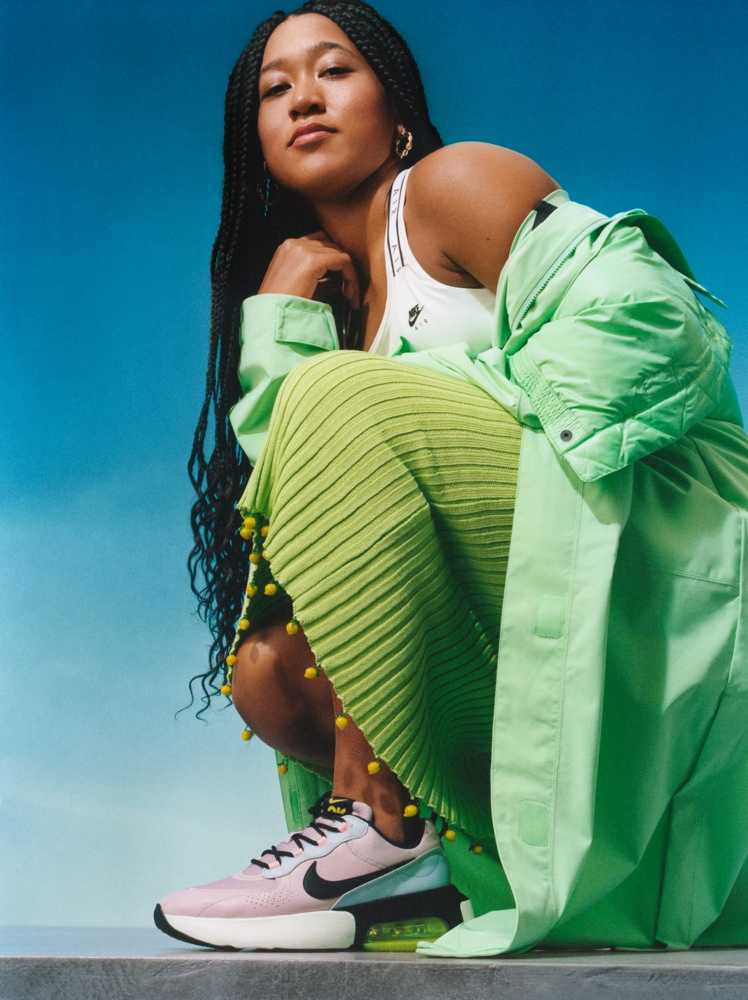
Nike has also learned to occupy uncomfortable ground: campaigns built around athletes who take political stances, real investment in women's sport, recycled materials in response to environmental pressure. It doesn't always get it right, and criticism — over labor conditions in its supply chain, over overproduction — is a legitimate part of its recent history.
What keeps the brand relevant 60 years on isn't the shoe itself. It's having turned human movement — running, jumping, enduring — into a story anyone can put on.